Why Technology Infrastructure Is No Longer an Afterthought in Commercial Construction
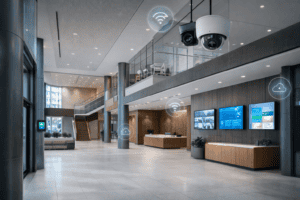
For decades, technology infrastructure was treated as a downstream concern in commercial construction — something to address after architectural plans were finalized and budgets were set. That approach no longer works.
Today’s buildings are technology platforms. How infrastructure is planned, integrated, and maintained directly affects performance, security, and operational efficiency long after construction is complete.
The Shift in How Buildings Are Used
Workspaces have changed rapidly. Hybrid work, shared environments, increased security requirements, and higher expectations for reliability have placed new demands on building systems.
Organizations now rely on:
- Enterprise networks
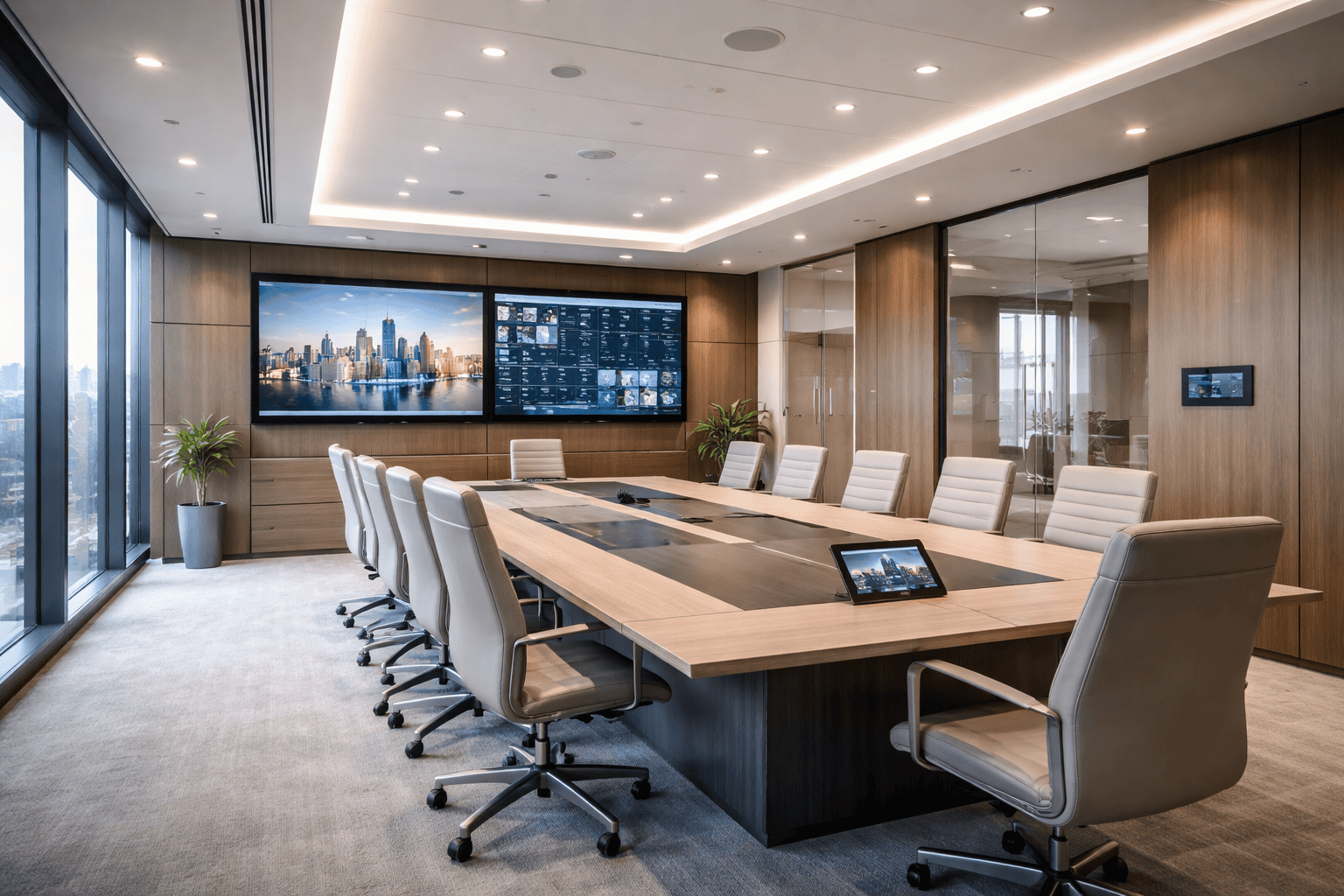
- Audio and video collaboration systems
- Access control and surveillance
- Digital signage and room scheduling
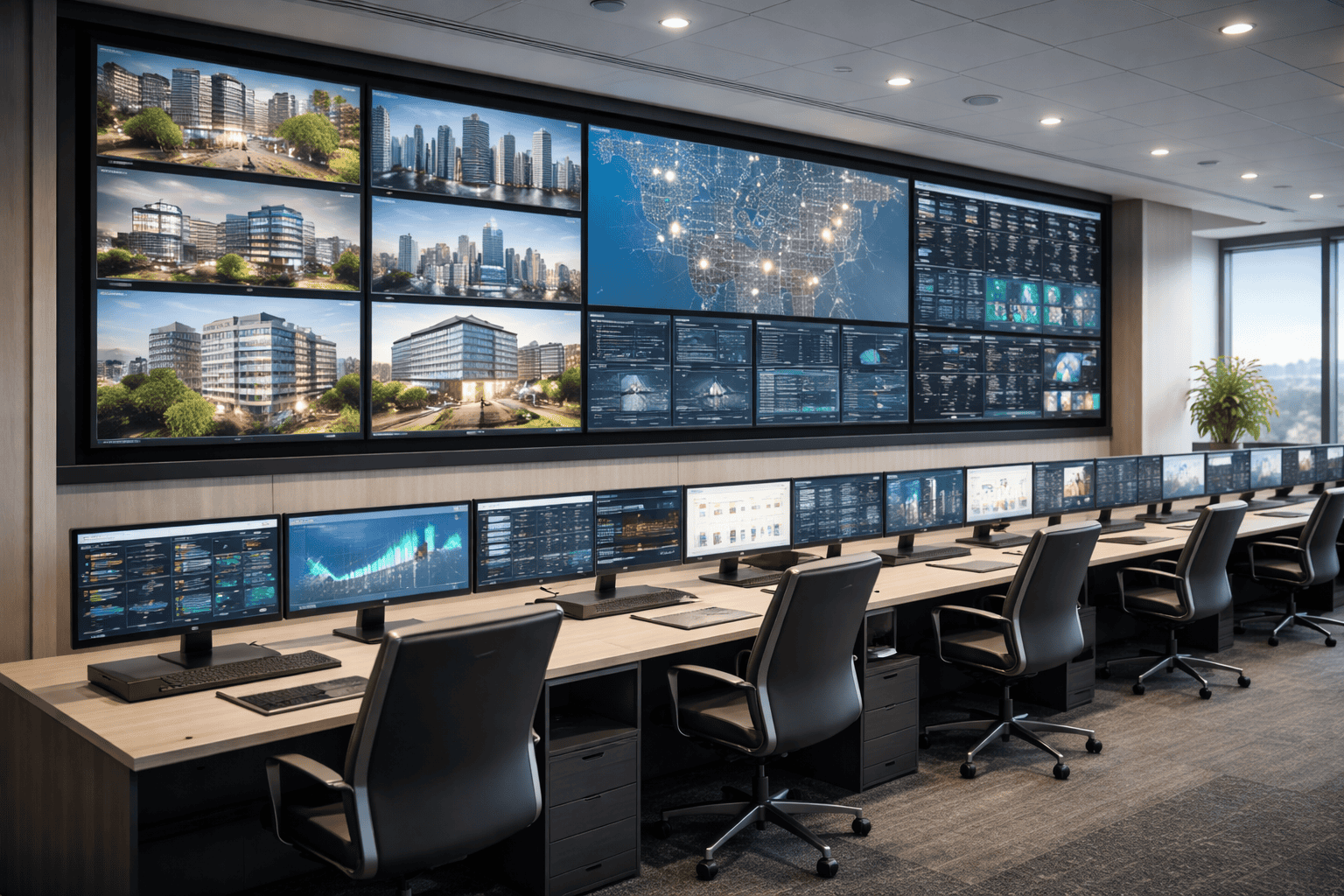
- Building monitoring and control platforms
When these systems are designed independently, complexity increases and performance suffers.
The Hidden Cost of Late-Stage Infrastructure Decisions
Treating technology as an afterthought often leads to:
- Design conflicts and change orders
- Inconsistent system standards
- Limited scalability
- Higher long-term maintenance costs
These issues rarely appear immediately. They surface when buildings expand, tenants change, or new technology needs to be deployed — often years after construction.
Buildings Are Now Integrated Systems
Modern facilities require infrastructure that allows systems to work together. AV, security, networking, and monitoring platforms all depend on a reliable, well-planned foundation.
Infrastructure decisions made early influence:
- How easily systems integrate
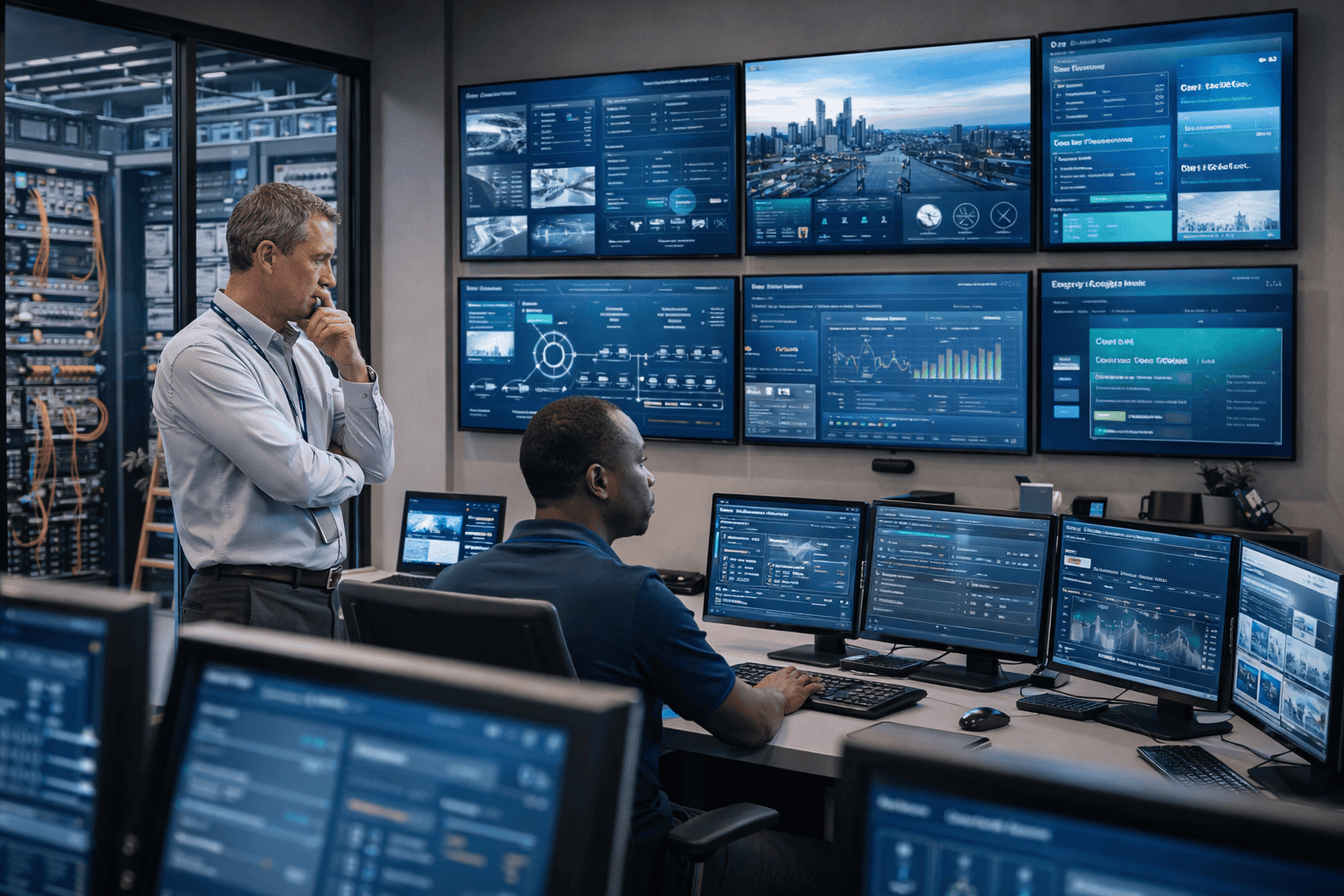
- How much visibility teams have into performance
- How quickly issues can be resolved
- How adaptable the building is over time
In this environment, infrastructure is no longer just a technical layer — it is a strategic asset.
Why Design/Build Matters More Than Ever
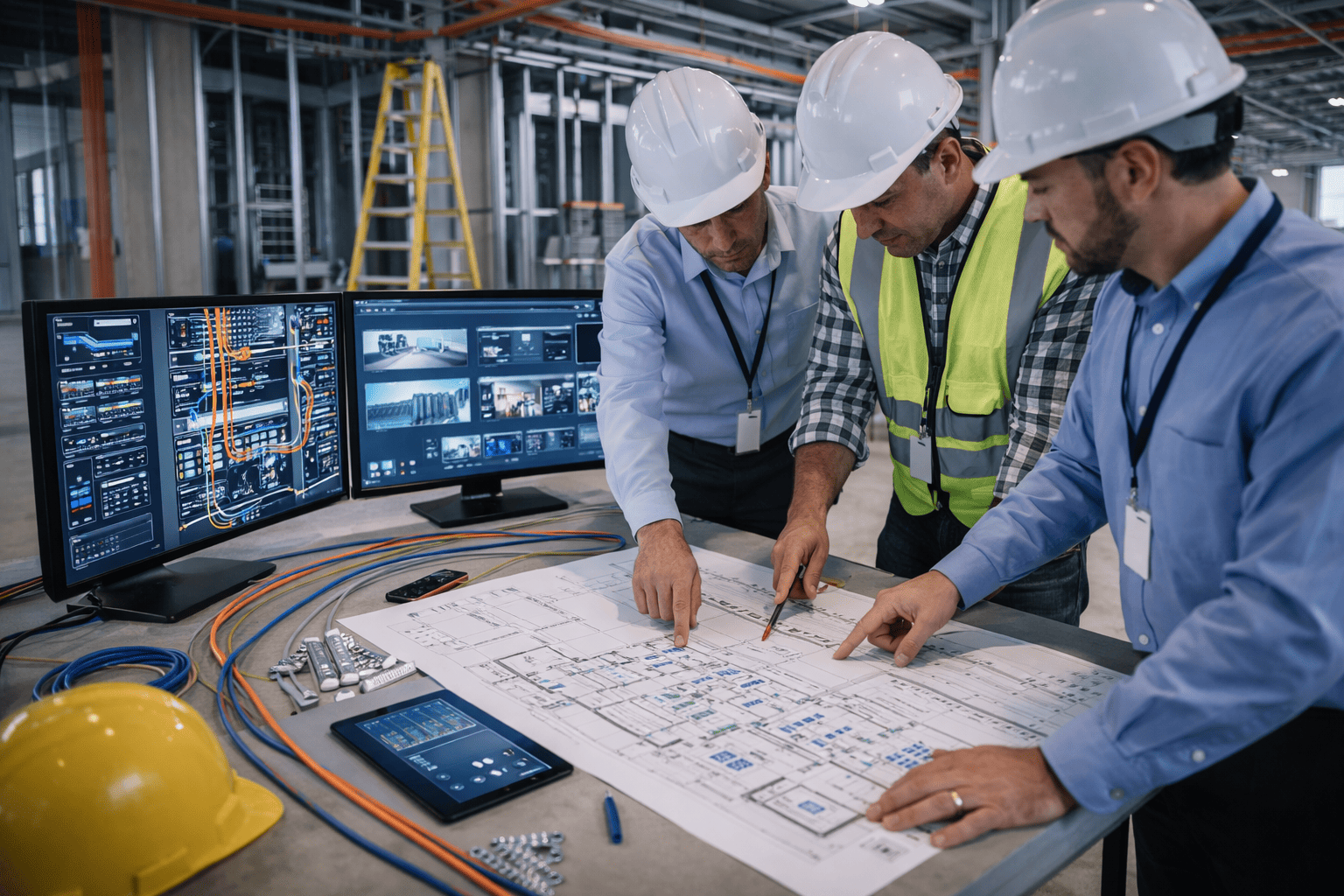
Design/Build approaches bring technology expertise into the project before construction begins. This allows infrastructure to be planned alongside architectural and operational goals rather than forced in later.
Early collaboration helps reduce rework, align budgets with real requirements, and ensure systems function as a cohesive whole.
Infrastructure as a Long-Term Investment
Technology infrastructure should be evaluated over decades, not project timelines. Buildings that are designed with scalability and integration in mind are better positioned to adopt new tools without major disruption.
Organizations that prioritize infrastructure early gain more flexibility, better performance, and lower long-term risk.
Final Perspective
Technology infrastructure is no longer optional or secondary. It shapes how buildings operate, how people work, and how organizations grow.
At i.e. Smart Systems, we partner with owners, architects, and contractors to design infrastructure that supports today’s needs while preparing for tomorrow’s demands — with clarity, coordination, and long-term reliability.