Why Standardization Matters Across Multi-Site Commercial Environments
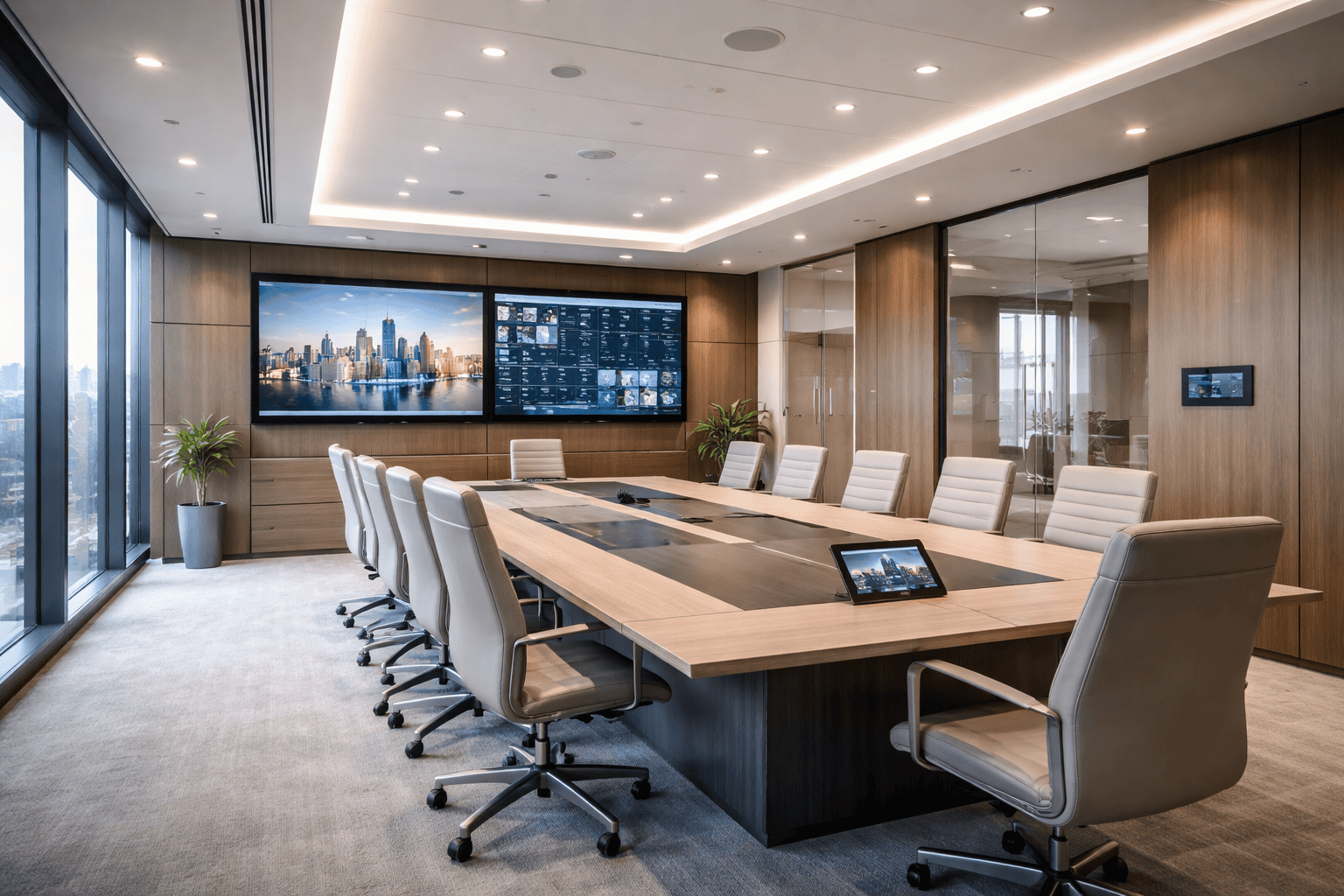
Walk into a conference room in your Houston office. Now imagine walking into the same company’s Dallas location — and nothing works the same way.
The displays are different. The controls are unfamiliar. The login process changes. Even something as simple as starting a meeting takes longer than it should.
This is the reality for many multi-site organizations. The issue is rarely a lack of technology — it’s a lack of consistency.
As companies expand across locations, inconsistent infrastructure, fragmented vendors, and disconnected standards create operational friction that compounds over time. What works in one building doesn’t translate cleanly to the next.
The Challenge of Inconsistent Systems
In multi-site environments, variation is common across:
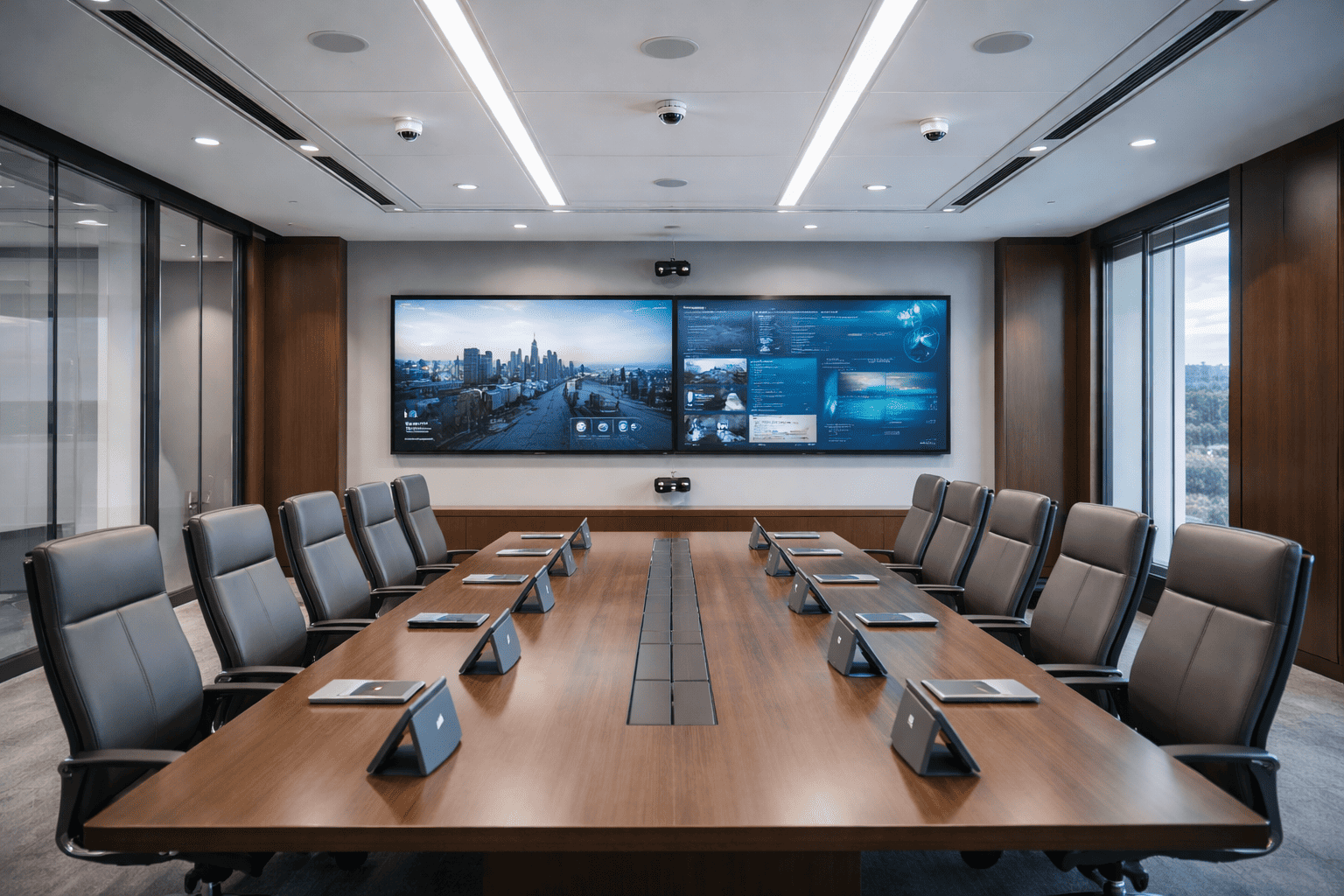
- AV and conferencing systems
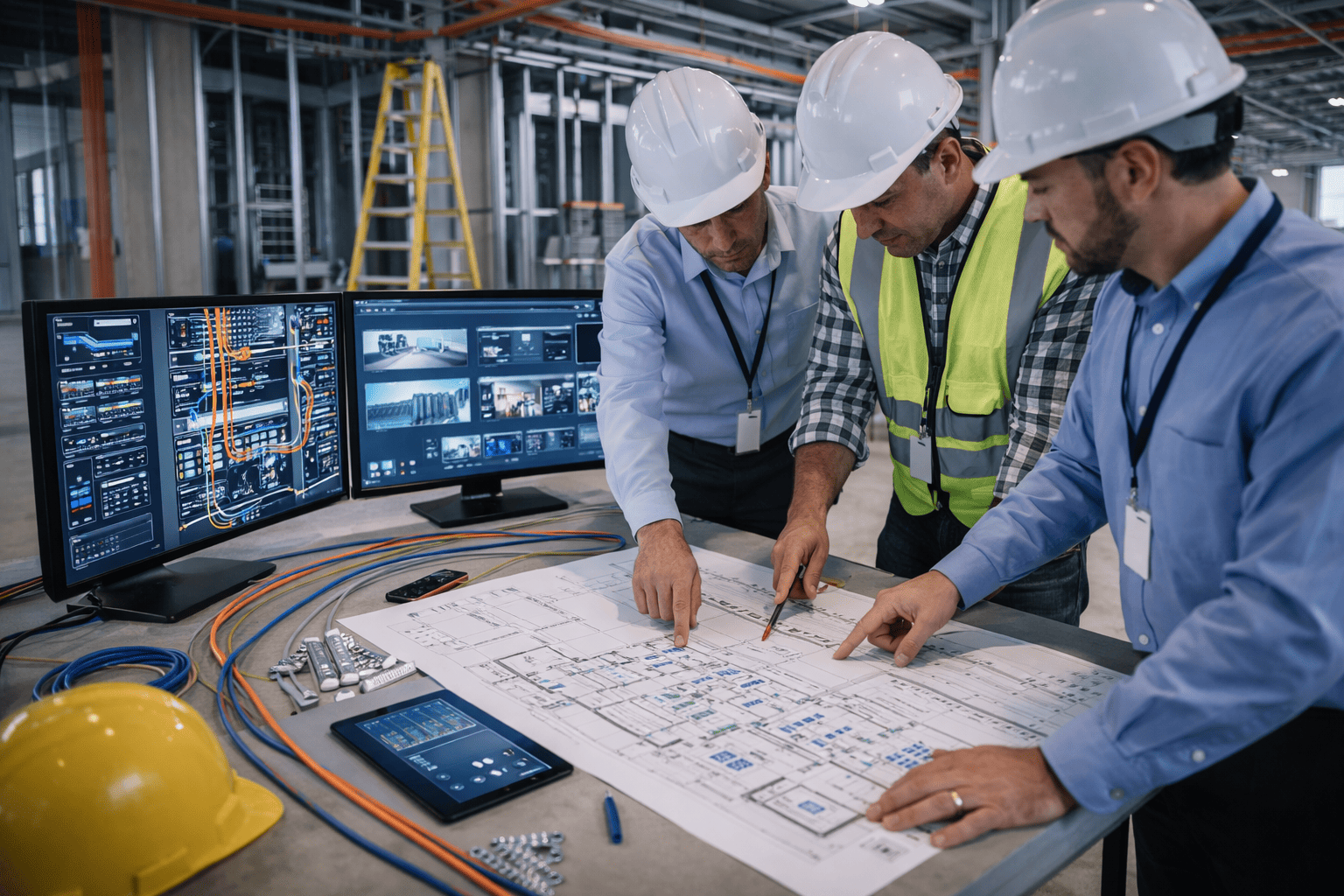
- Network infrastructure and cabling standards
- Access control and security platforms
- Room scheduling and collaboration tools
- Monitoring and management systems
These differences are often the result of projects completed at different times, with different teams and priorities. Individually, each system may function well. Collectively, they create a fragmented environment that is difficult to manage at scale.
Operational Complexity Increases Without Standards
When systems vary across locations, IT and facilities teams are forced to support multiple configurations, platforms, and workflows.
This leads to:
- Longer troubleshooting times
- Increased training requirements across teams
- Difficulty rolling out updates consistently
- Inconsistent user experiences across locations
- Higher support and maintenance costs
- Increased cybersecurity risk from inconsistent configurations and unpatched systems
As organizations grow, this complexity multiplies. What starts as manageable variation becomes a barrier to efficiency.
Standardization Improves Efficiency
Standardization creates a consistent foundation that simplifies how technology is deployed and managed across locations.
With standardized systems and infrastructure, organizations can:
- Deploy new technology faster using proven templates
- Troubleshoot issues more efficiently with familiar configurations
- Reduce the need for retraining across sites
- Maintain consistent performance across environments
Instead of reinventing the approach for every building, teams can rely on a repeatable system that reduces friction and improves reliability.
User Experience Becomes More Predictable
Consistency is not just an operational benefit — it directly impacts the people using the space.
When technology works the same way across locations, employees and tenants can move between offices without needing to relearn systems.
This results in:
- Faster adoption of tools and systems
- Fewer user errors and support requests
- More productive meetings and work environments
Standardization helps shift buildings away from fragmented, manual experiences toward environments that feel intuitive and reliable.
Standardization Supports Scalable Growth
As organizations expand, the cost of inconsistency becomes more visible.
A standardized approach allows companies to scale with confidence by creating a repeatable model for infrastructure deployment.
For organizations opening a new office, a standardized playbook means technology can be deployed faster, with fewer surprises and more predictable costs — rather than starting from scratch each time.
This makes growth more efficient, less disruptive, and easier to manage across teams and locations.
Standardization Creates a Framework — Not Identical Buildings
Standardization does not mean every building needs to be identical. It means creating a structured framework that defines how systems are designed, implemented, and maintained.
This framework may include:
- Technology standards and specifications
- Infrastructure design guidelines
- Approved platforms and integrations
- Documentation and lifecycle processes
With the right structure in place, organizations can maintain consistency while still allowing flexibility to adapt to different building needs.
Creating Consistency Across Locations
Managing technology across multiple buildings becomes significantly more manageable when infrastructure is designed with standardization in mind.
At i.e. Smart Systems, we help organizations develop scalable technology frameworks that bring consistency across locations — improving efficiency, reducing complexity, and supporting long-term growth.
Managing technology across multiple locations? Let’s talk about building a framework that brings consistency to every site. Contact our team to get started.