The Hidden Challenges of Managing Building Technology
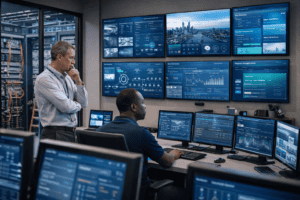
Modern commercial buildings are more connected than ever — and harder to manage than most people expect. From collaboration tools and access control to digital signage and monitoring systems, technology now plays a central role in how spaces operate.
But as buildings become more advanced, they also become more complex to manage.
For IT teams, facilities managers, and building operators, the challenge is no longer simply installing new systems. The real challenge is keeping those systems reliable, integrated, and easy to manage over time.
Technology Systems Are Expanding Rapidly
A typical commercial building today may include:
- Network infrastructure
- Audio and video collaboration systems
- Security cameras and access control
- Digital signage
- Room scheduling systems
- Environmental sensors and monitoring tools
- HVAC and Building Automation Systems (BAS)
- Overhead paging and emergency notification systems
Each system serves a purpose. But when these technologies are implemented independently, they can quickly create operational complexity.
Without coordination and planning, buildings can become collections of disconnected tools rather than cohesive, efficiently managed environments.
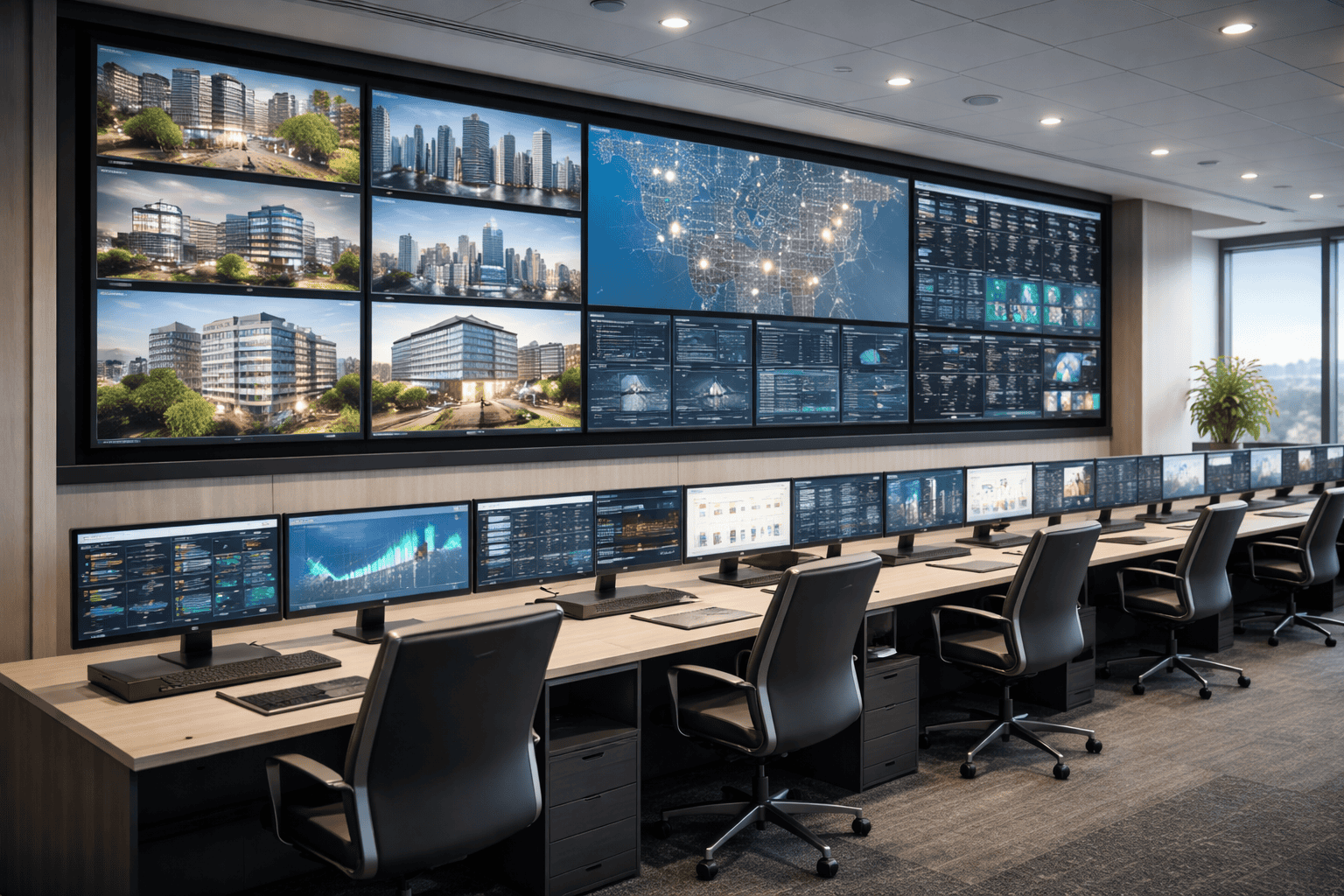
Visibility Across Systems Is Often Limited
One of the biggest challenges organizations face is lack of visibility.
When multiple vendors install different systems, each platform may have its own interface, monitoring tools, and support processes. As a result, IT and facilities teams often have limited insight into how systems interact or where problems originate.
When something fails — whether it’s a conference room system or a building security platform — teams are often left guessing where the problem originated, slowing response times and impacting daily operations.
Maintenance Becomes More Difficult Over Time
As buildings evolve, new technology layers are added. Over time, documentation may become outdated and system standards may drift.
This creates long-term challenges such as:
- Inconsistent configurations across rooms or locations
- Difficulty scaling new technology across the building
- Increased reliance on manual troubleshooting
- Higher operational costs for maintenance and upgrades
- Cybersecurity vulnerabilities from unpatched or undocumented systems
Without a coordinated infrastructure strategy, complexity tends to grow rather than shrink.
Integration Is the Key to Simplifying Operations
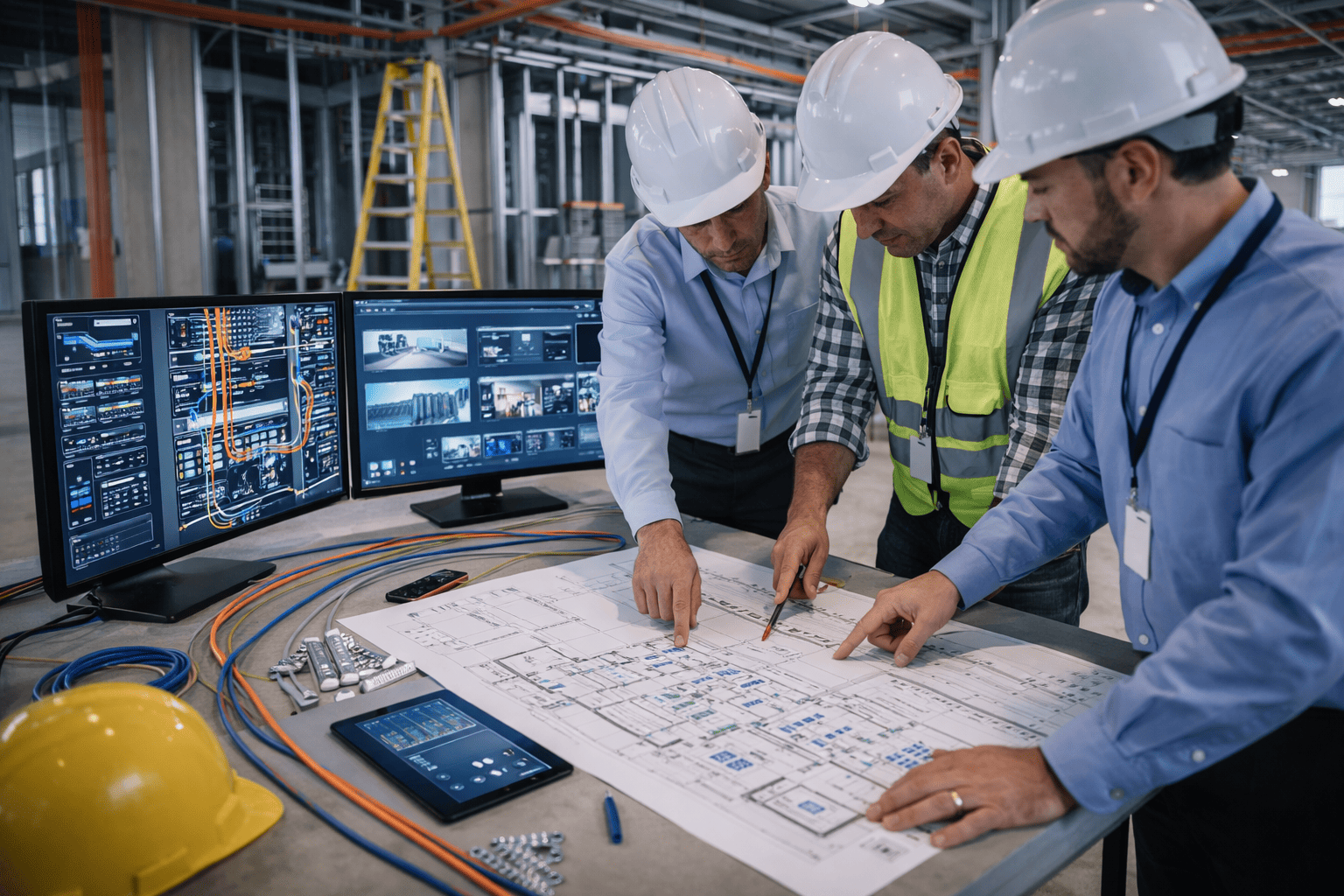
The most effective buildings are designed with integration in mind from the beginning. Instead of treating each system as a separate project, organizations benefit from an approach that considers how all systems work together from day one.
Integrated infrastructure allows organizations to:
- Standardize technology across environments
- Improve visibility and monitoring across all systems
- Simplify troubleshooting and support
- Deliver more consistent, reliable experiences for occupants and staff
When systems are designed to operate as part of a larger ecosystem, buildings become easier to manage and more adaptable to change.
Planning for the Full Lifecycle of Technology
Technology decisions should not be evaluated only at installation. The real impact of building systems appears over time — through maintenance, upgrades, and everyday use.
Organizations that plan infrastructure strategically are better positioned to adapt as technology evolves, while avoiding costly redesigns or operational disruptions. Industry best practices recommend conducting a network and systems assessment if infrastructure is more than five years old — identifying gaps before they become failures.
Moving Toward Simpler, Smarter Building Operations
As commercial buildings continue to evolve, the goal is not simply adding more technology. The goal is creating environments where technology works reliably, integrates seamlessly, and supports the people who depend on it every day.
At i.e. Smart Systems, we work with organizations to design and implement integrated infrastructure that supports long-term operational clarity — helping buildings stay efficient, adaptable, and ready for what comes next.
Ready to simplify how your building operates? Contact our team to start a conversation about building a smarter, more integrated technology environment.