
Are Interactive AV Systems the Future of Productive Meetings?

By |2025-09-10T10:14:30-05:00September 10th, 2025|Latest Articles|

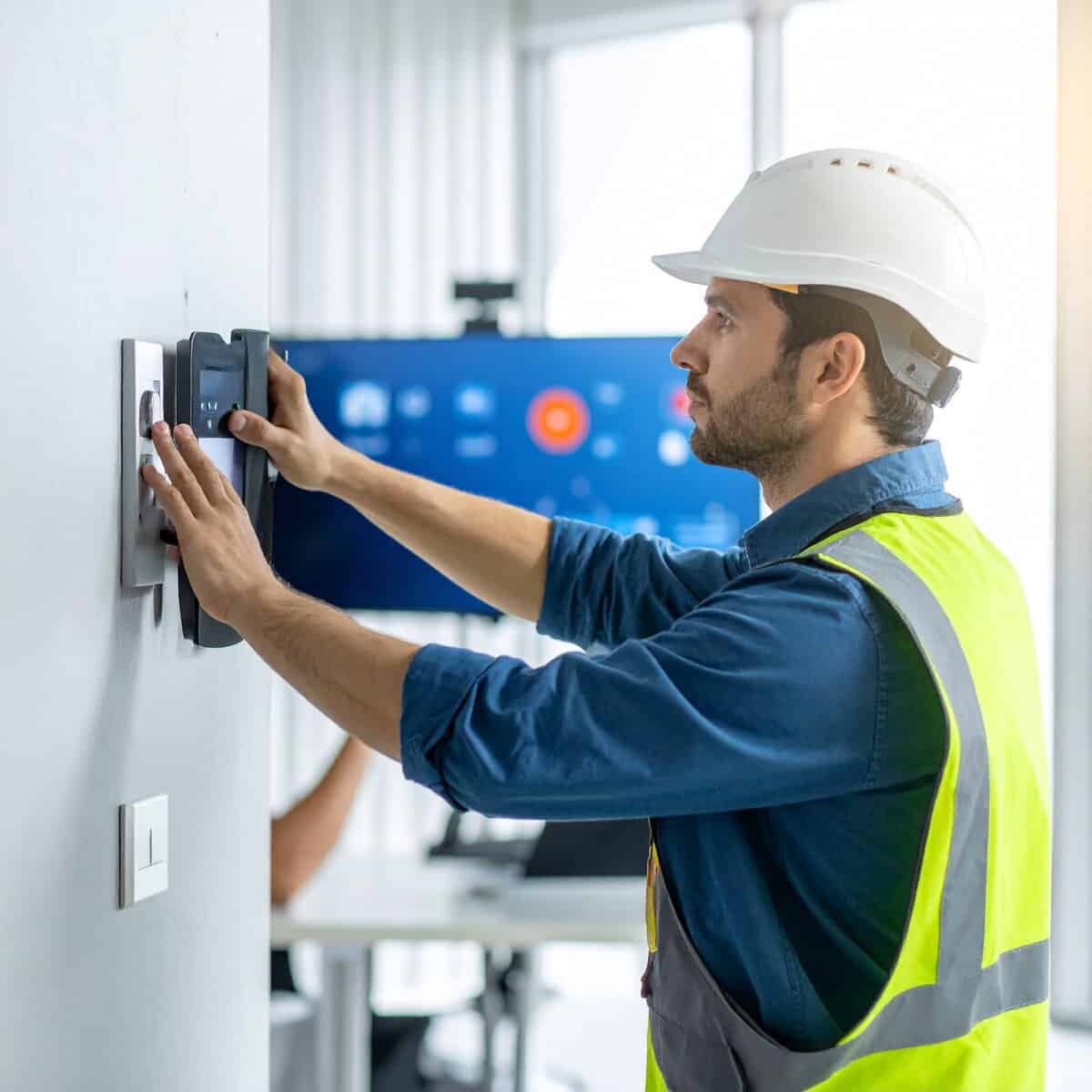
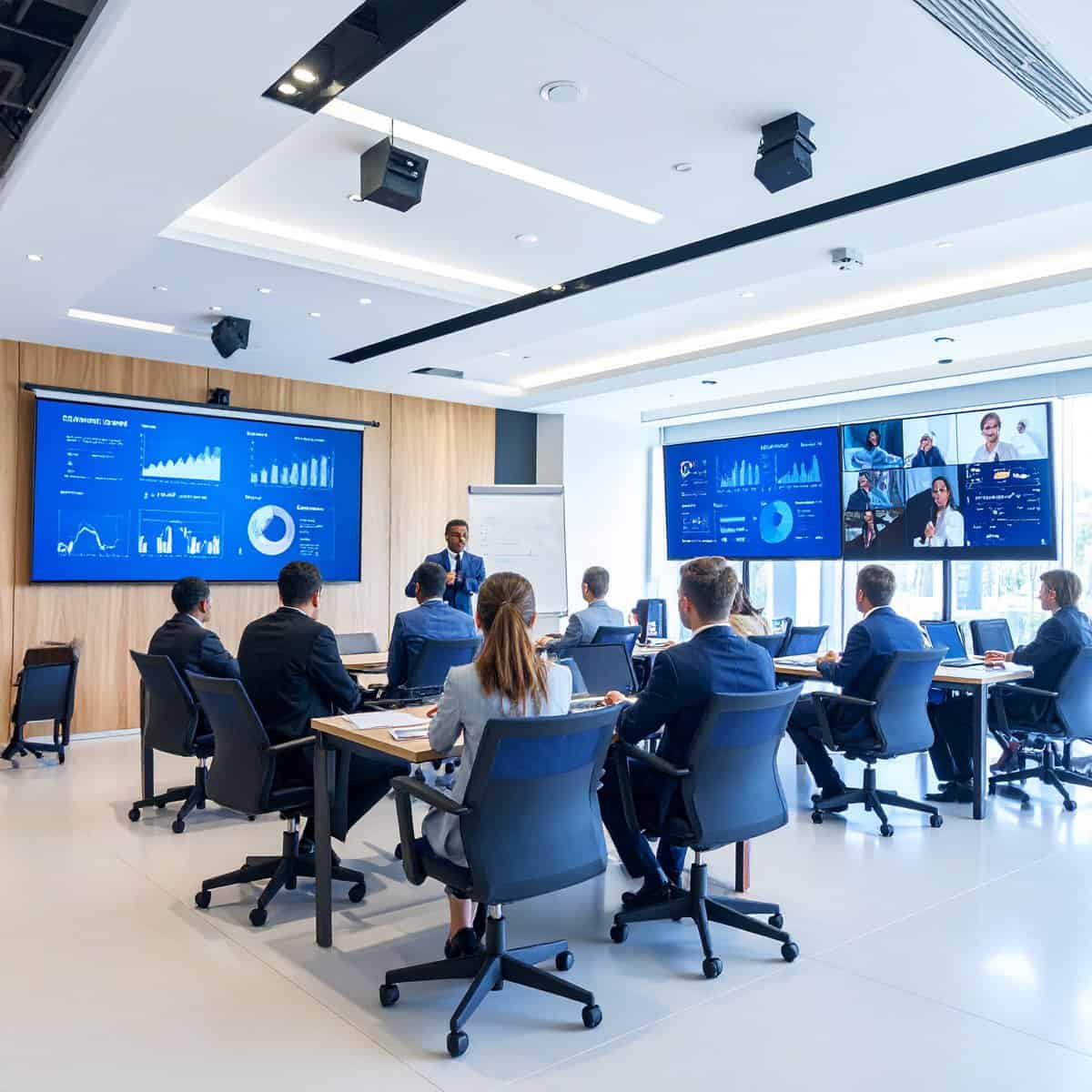
Meetings are shifting. More teams are working in flexible environments, and the need for real-time communication has pushed many companies to rethink how their spaces support collaboration. Interactive AV systems are becoming a central part of that shift. These tools are more than just screens on the wall. They allow users to share content wirelessly, interact with digital whiteboards, and connect with remote participants - all without disruption. At i.e.Smart Systems, we’re seeing more of our clients invest in AV solutions that support a faster, more agile way to meet.

How Does Structured Cabling Support AI-Driven Office Automation?

By |2025-09-08T09:20:20-05:00August 26th, 2025|Latest Articles|

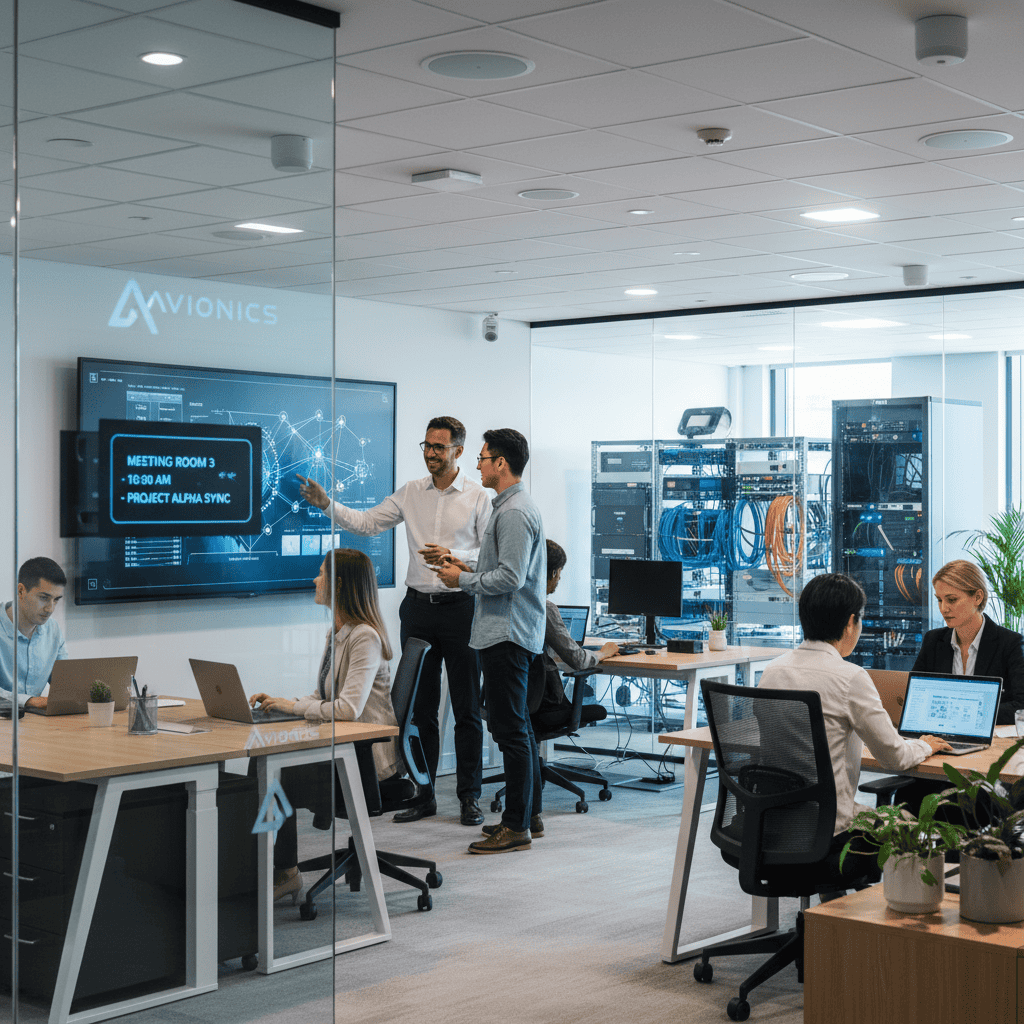
AI is playing a growing role in the workplace, helping offices run more efficiently through automation. From smart building management systems that optimize lighting and HVAC to AI-powered voice assistants and security solutions, these tools rely on real-time data and seamless communication. What often goes unnoticed is the physical infrastructure that makes all this possible: structured cabling. Without it, even the most advanced AI systems can struggle. At i.e.Smart Systems, we’ve seen how a strong cabling design is essential for unlocking the full potential of office automation powered by artificial intelligence.

How Does Structured Cabling Enhance IoT Performance in Smart Offices?

By |2025-09-08T09:20:54-05:00August 21st, 2025|Latest Articles|

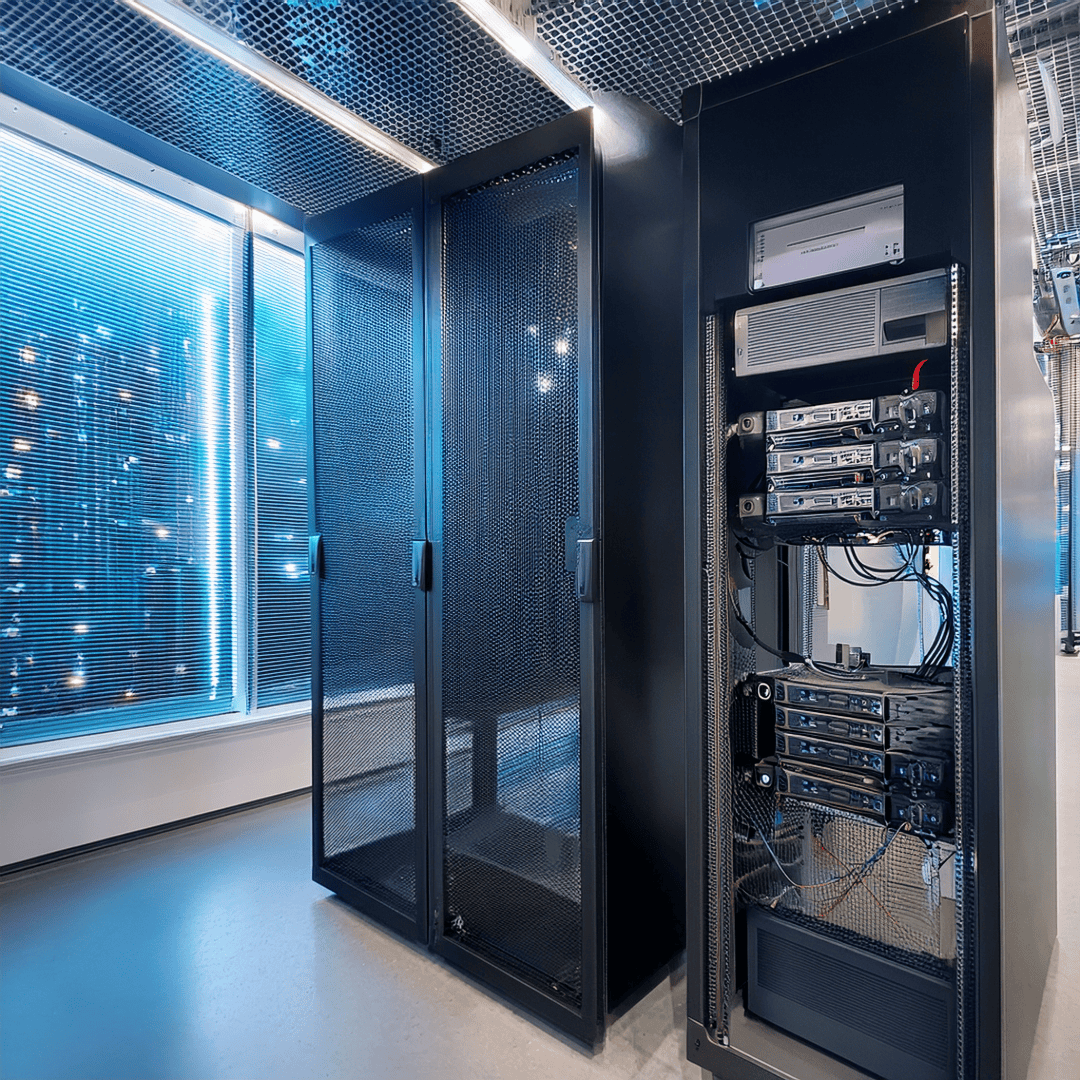
As more devices in our offices connect to the Internet of Things (IoT), the pressure on our network infrastructure increases. Smart lighting, environmental sensors, access control systems, and meeting room scheduling tools all depend on fast and reliable communication to function as expected. What many companies overlook is how essential structured cabling is to keep all this running smoothly. At i.e.Smart Systems, we’ve worked with businesses across industries to upgrade their cabling, helping their IoT systems perform the way they were intended. Without a strong cabling foundation, even the most advanced smart technologies can fall short.

How Are Immersive AV Systems Redefining Workplace Training?

By |2025-07-23T08:04:09-05:00July 23rd, 2025|Latest Articles|

Employee training is no longer confined to binders and PowerPoint slides. As expectations around onboarding, compliance, and professional development increase, organizations are rethinking how they deliver knowledge—and immersive AV systems are leading the shift. With technologies like interactive displays, 4K projection, spatial audio, and touch-enabled collaboration tools, workplace training is becoming more engaging, efficient, and impactful. At i.e.Smart Systems, we work with companies to design AV solutions that don’t simply transfer information, they build understanding and retention. When training feels more like an experience and less like a lecture, employees learn faster, participate more, and remember longer.

How Can Businesses Use AV Technology to Tell Better Brand Stories?

By |2025-07-09T07:28:43-05:00July 9th, 2025|Latest Articles|

In a world flooded with content, brand storytelling must be more than a slogan or a social media post—it needs to capture attention and build emotional connection. Audio-visual (AV) technology allows businesses to do exactly that. Through the use of large-format displays, immersive sound, and interactive digital tools, AV can turn messaging into a sensory experience. At i.e.Smart Systems, we help companies use technology as a strategic asset for communication. When storytelling becomes visual, audible, and responsive, audiences are far more likely to remember the message and feel connected to the brand behind it.

Are Your Offices Emergency-Ready with the Right Smart Building Systems?

By |2025-06-25T08:23:36-05:00June 25th, 2025|Latest Articles|

When an emergency strikes—whether it is a fire, medical incident, security threat, or extreme weather—speed and coordination are critical. Today’s emergency preparedness strategies must go beyond printed floor plans or isolated alarm systems. Smart building systems offer a more dynamic and responsive approach, integrating technologies like automated lighting, environmental sensors, surveillance, and mass notification tools. These systems are not only designed to improve daily efficiency but are also built to enhance life safety during critical events. In emergency scenarios, they transform passive infrastructure into active support systems that assist in decision-making and immediate response.

How Can Smarter Access Control Systems Prevent Workplace Violence?

By |2025-06-11T12:46:50-05:00June 11th, 2025|Latest Articles|

Workplace violence has become a growing concern for organizations of all sizes, prompting business leaders and safety professionals to rethink how they secure their facilities. While many focus on training and awareness programs, an often overlooked but critical piece of the puzzle is access control. Modern access control systems are far more sophisticated than traditional badge readers or locked doors. They leverage credential-based entry, real-time location tracking, integration with surveillance and alarm systems, and even emergency lockdown capabilities. These features go beyond controlling physical entry to helping create safer, more controlled workspaces where threats can be quickly identified and neutralized.

Are Your Security Cameras in the Right Places for Maximum Office Protection?

By |2025-06-03T16:18:11-05:00May 28th, 2025|Latest Articles|

When it comes to office security, surveillance cameras are one of the most powerful deterrents and investigative tools—but only if they’re positioned strategically. The best camera placements aren’t about how many you have, but where and how they’re installed to capture the most critical angles, entries, and blind spots. Whether you're protecting data centers, monitoring high-traffic areas, or keeping an eye on access points, precise placement is what turns a good system into a great one. With increasingly intelligent threats and hybrid work models, businesses must go beyond generic setups and adopt a well-planned camera placement strategy tailored to their space and risk profile.

How Can You Build a Truly Secure Office by Integrating Physical and Digital Security?

By |2025-06-03T16:18:58-05:00May 14th, 2025|Latest Articles|

Building a secure office means thinking beyond alarms and antivirus software. Physical and digital security used to be handled separately, but as offices rely more heavily on interconnected systems, the risks from both sides have become intertwined. Cybercriminals can exploit physical vulnerabilities, and intruders can use digital weaknesses to access physical spaces. A holistic approach to security—one that integrates both physical and digital elements—ensures better protection for people, property, and data. It's no longer a choice between cameras or firewalls; it's about how those tools work together to create a unified, intelligent security strategy.

Are You Missing These 5 Powerful AV System Features That Could Transform Your Business?

By |2025-06-03T16:19:41-05:00April 24th, 2025|Latest Articles|

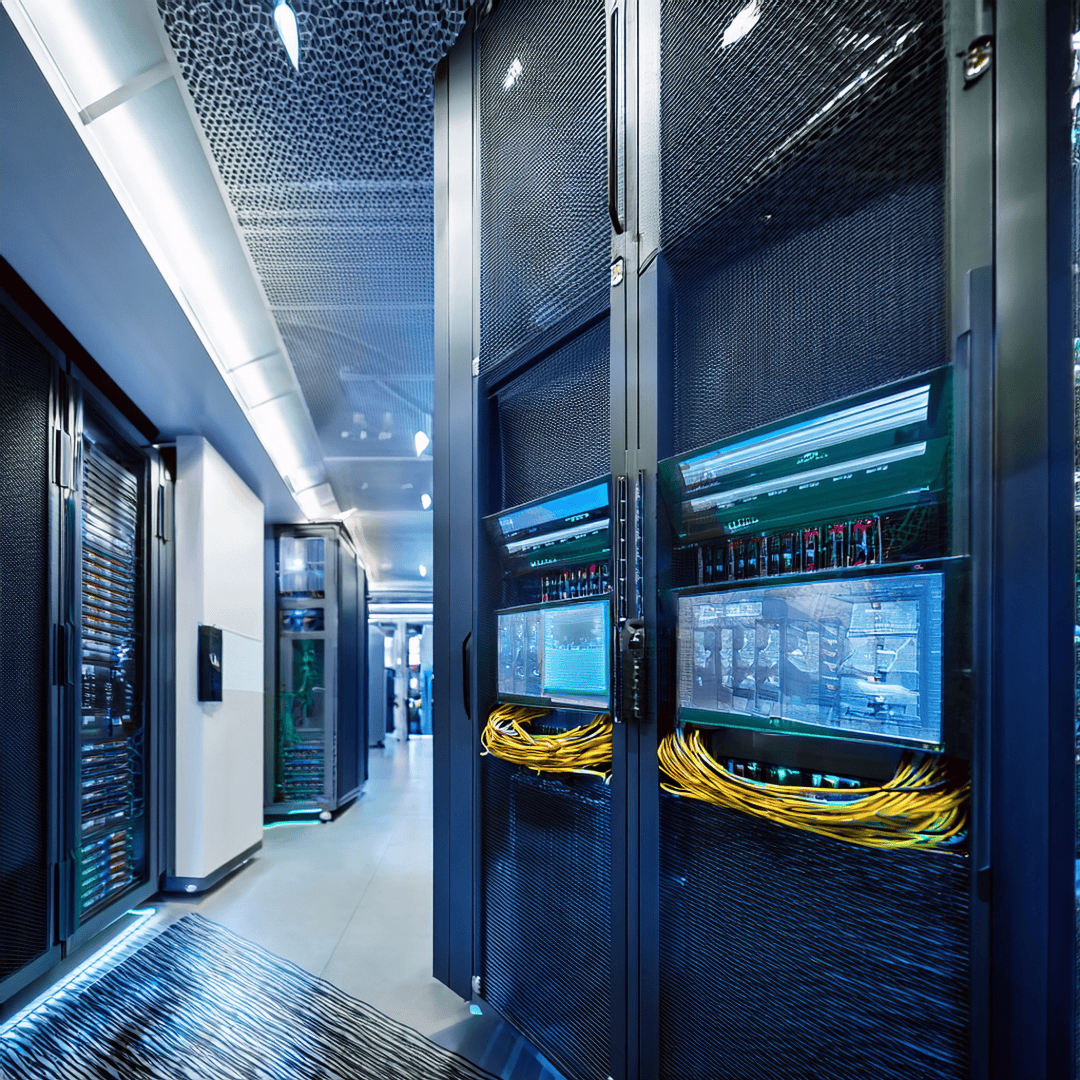
The Intermediate Distribution Frame (IDF) room functions as the vital nerve center of your network infrastructure, directly impacting every aspect of your digital operations. Organizations that elevate their IDF spaces from overlooked closets to meticulously engineered environments gain significant advantages in reliability, security, and adaptability. A strategically designed IDF room doesn't merely house equipment—it orchestrates seamless connectivity across your enterprise while accommodating future expansions. By implementing advanced design principles, precise environmental controls, and forward-thinking infrastructure planning, your IDF room transforms from a basic necessity into a powerful competitive asset that strengthens your entire network ecosystem.