How Does Structured Cabling Support AI-Driven Office Automation?
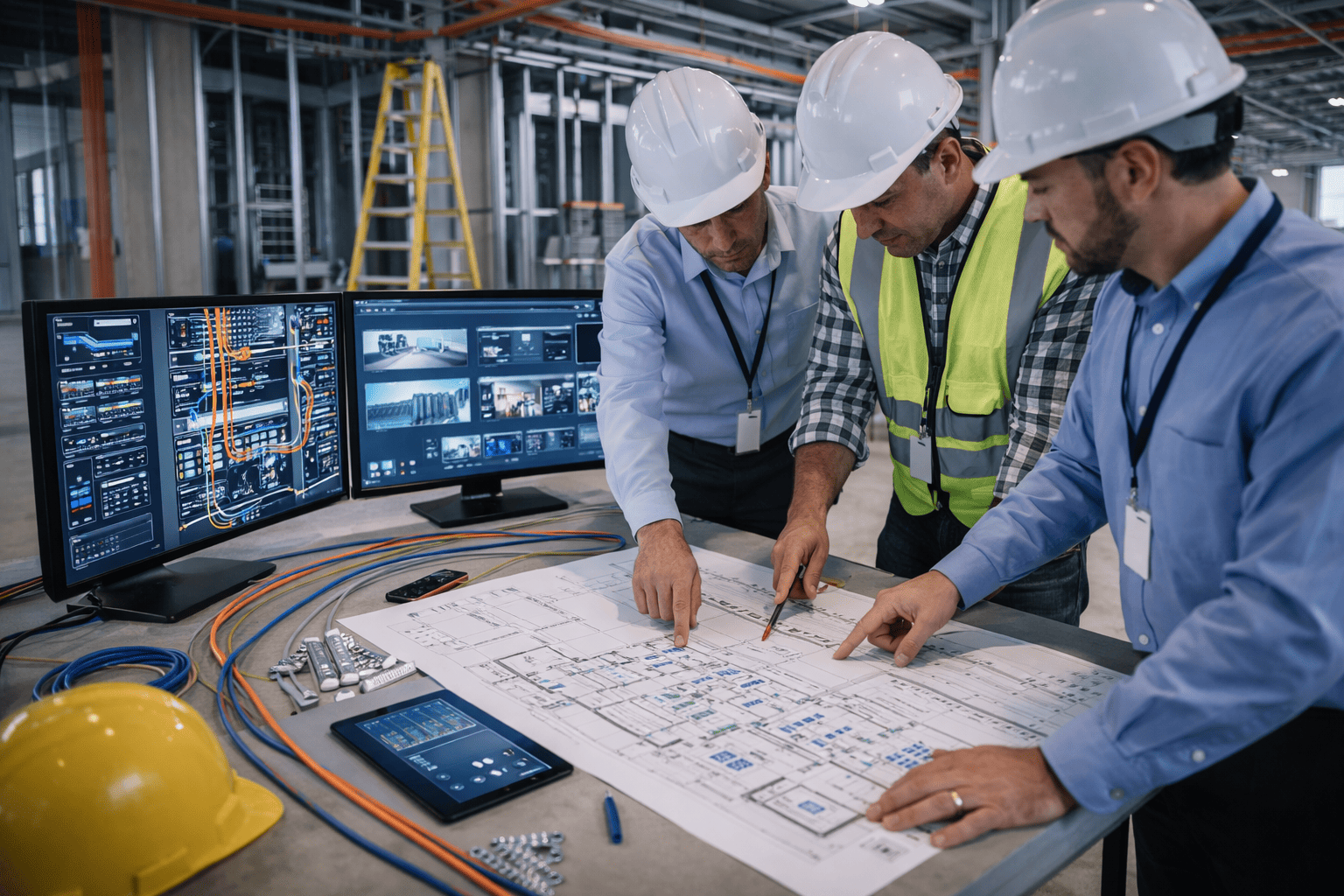
AI is playing a growing role in the workplace, helping offices run more efficiently through automation. From smart building management systems that optimize lighting and HVAC to AI-powered voice assistants and security solutions, these tools rely on real-time data and seamless communication. What often goes unnoticed is the physical infrastructure that makes all this possible: structured cabling. Without it, even the most advanced AI systems can struggle. At i.e.Smart Systems, we’ve seen how a strong cabling design is essential for unlocking the full potential of office automation powered by artificial intelligence.
AI Automation Needs Stable and Scalable Infrastructure
AI applications in the office require continuous access to large volumes of data. Whether it’s a smart camera using facial recognition or a virtual assistant managing conference room bookings, these tools depend on high-speed connections and low-latency networks. A poorly organized or outdated cabling setup can create delays, interfere with data flow, or even cause critical failures in automated systems. According to a report from DataIntelo, the global office automation market is expected to surpass $95 billion by 2031, driven by the rise in connected technologies and demand for operational efficiency (source). That scale of automation requires a network infrastructure that can support constant communication between smart systems—something structured cabling is designed to handle.
Structured Cabling Supports High Bandwidth and Low Latency
Unlike traditional wiring methods that grow cluttered and hard to maintain, structured cabling uses a clean, logical layout that separates and organizes data, voice, and video connections. This improves both speed and reliability across the network. For AI-powered tools to work correctly, especially those using machine learning or real-time analytics, they must be fed a constant stream of clean, uninterrupted data. Structured cabling reduces interference and bottlenecks that would otherwise compromise performance. Whether it’s automating lighting based on room usage or using AI to monitor security threats, a robust cabling system ensures all devices stay connected and function as intended. It’s not just about speed—it’s about consistency.
How i.e.Smart Systems Builds the Foundation for Intelligent Automation
At i.e.Smart Systems, we understand that office automation starts with the right infrastructure. Our team designs and installs structured cabling systems that support high-volume, high-speed data transfer—exactly what AI-driven tools require. We begin with a detailed assessment of your current setup, then create a cabling plan tailored to support your automation goals. That includes organizing pathways, choosing the right materials, and planning for future capacity. We also make it easy for your IT team to manage and expand the system later on. As more offices shift toward intelligent automation, having structured cabling in place becomes less of a bonus and more of a necessity. i.e.Smart Systems delivers the kind of forward-thinking infrastructure that allows smart technologies to work together seamlessly and reliably.
Let us help you put the right foundation in place—because smart systems deserve a smart structure.
About i.e.Smart Systems
i.e.Smart Systems is a Houston, TX based technology integration partner that specializes in design and installation of audio/visual technology and structured cabling. For more than three decades, our team of in-house experts has partnered with business owners, architectural firms, general contractors, construction managers, real estate developers, and designers in the Houston market, to deliver reliable, scalable solutions that align with their unique goals.